
Published July 20, 2026
Why Stale Listings Are a Deal in 2026


Queen Creek Real Estate: Why the Best Deals Right Now Aren't the New Listings
If you're only scrolling the "new listings" tab, you're missing the best opportunity in the Queen Creek real estate market right now.
It's July 2026. It's 115 degrees outside. And the Queen Creek housing market is going through a seasonal shift that most casual buyers don't know how to use to their advantage.
Here's the number that matters: active inventory across Queen Creek has surged past 900 homes — the highest level in 36 months. As a direct result, average days on market has stretched past 70 days.
That number isn't just a stat. It's leverage — if you know how to use it.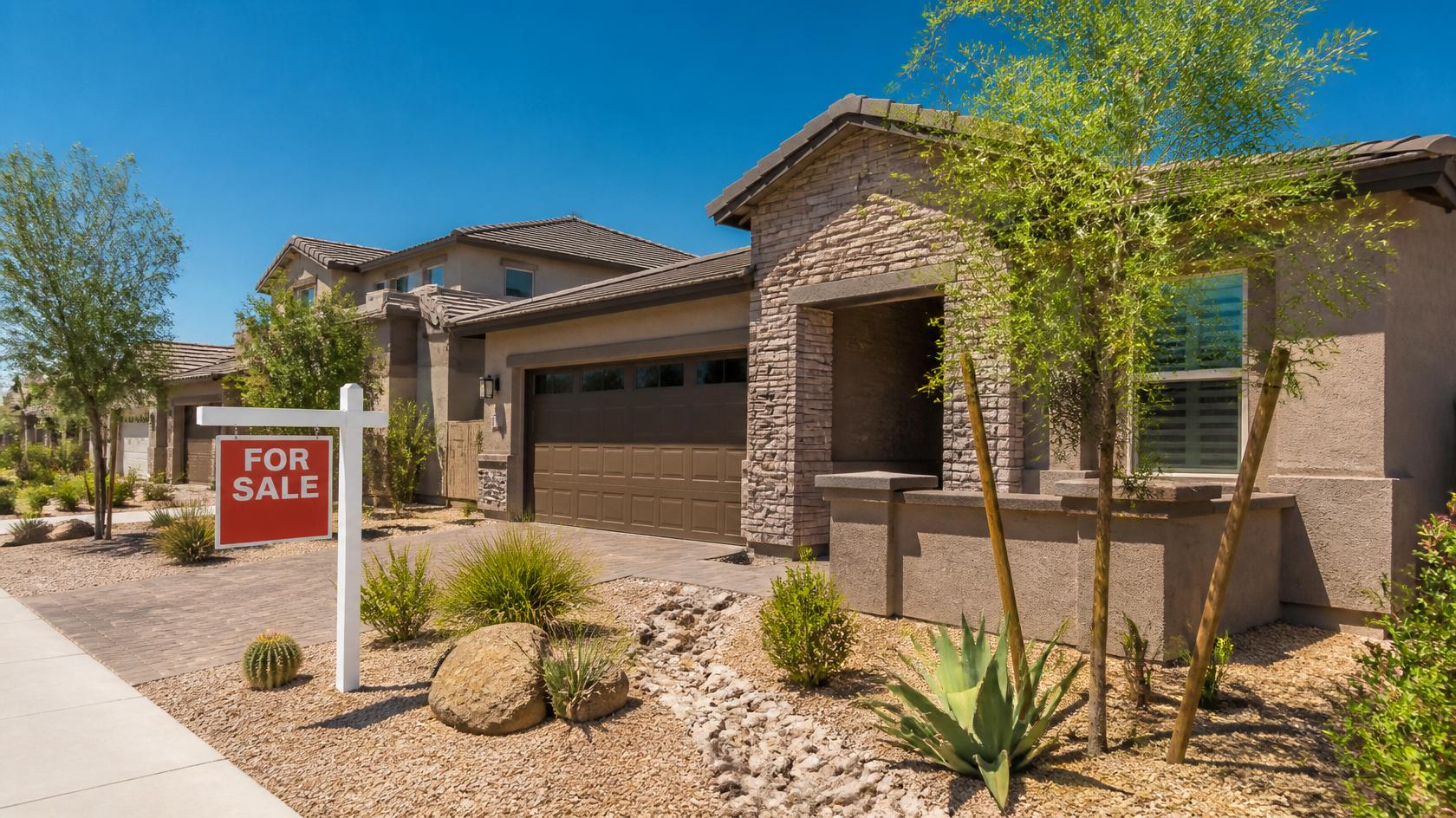
The Anatomy of a July Panic
There's a psychological shift that happens once a listing crosses the 60-day mark in the middle of an Arizona summer — and it's driven by real, bleeding costs.
The 115-Degree Carrying Cost
A seller holding a vacant home through July isn't just waiting patiently. They're paying for it, every month:
- $450+ a month just to run the AC hard enough to keep drywall from warping and smart home systems from failing
- Pool maintenance to avoid a green-pool code violation
- Landscaping upkeep, also to stay ahead of code enforcement
- HOA dues
- Homeowner's insurance
- Their existing mortgage payment — on a home they no longer live in
That's not a minor annoyance. That's thousands of dollars a month, out of pocket, for a house that isn't earning them anything.
The Spring Rush Aftermath
Many of these listings hit the market back in March or April, priced with confidence based on outdated assumptions. They missed the spring buyer window — historically the strongest of the year — and are now sitting in the slow late-summer corridor with no rush of buyers left to bail them out.
The Price Drop Data
Nearly 45% of active listings in the current Phoenix housing market update have already dropped their price at least once. That's not a market holding firm — that's a market already waving the white flag. The question isn't whether these sellers will negotiate. It's how much further you can push.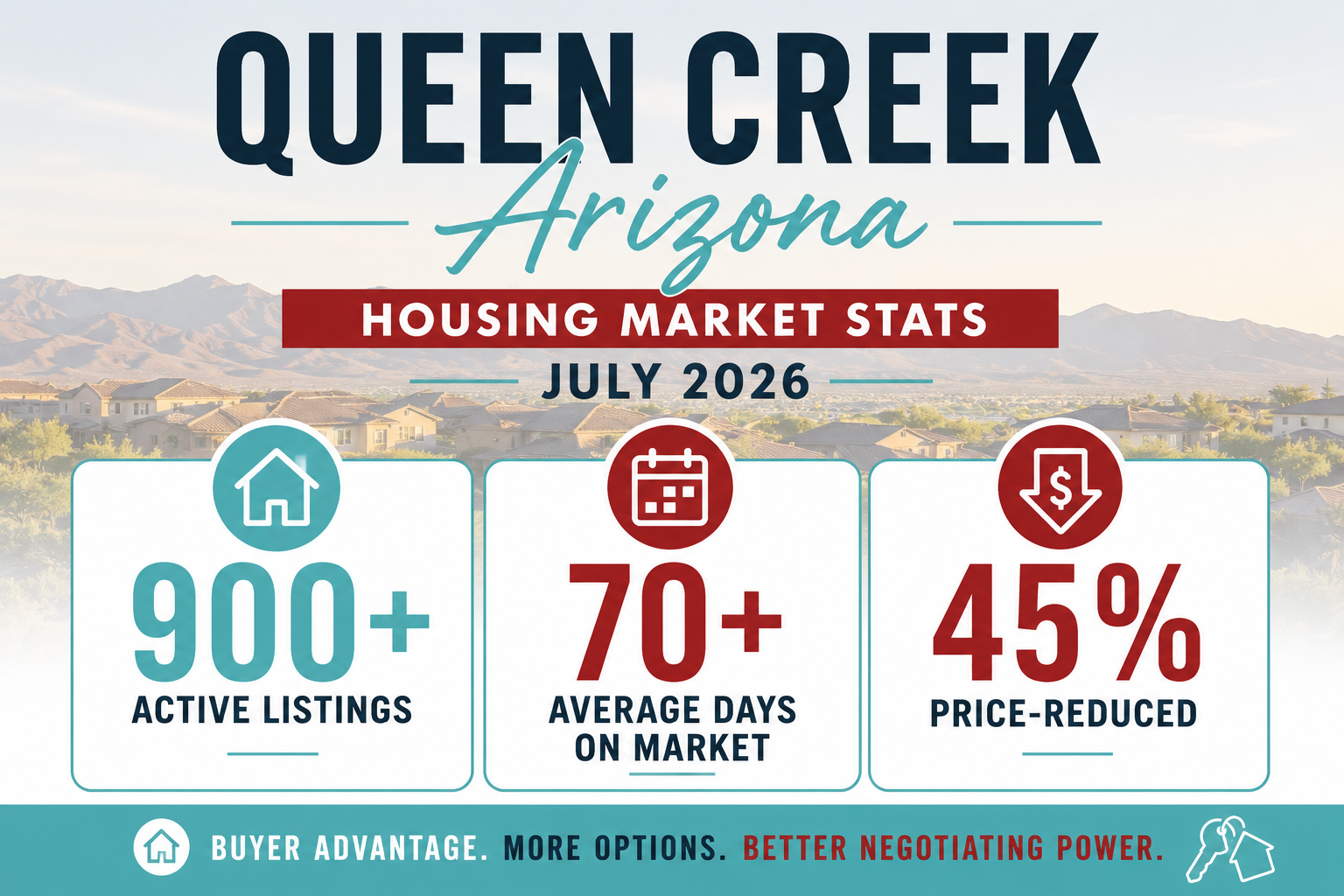
Writing the "Boss Mom" Offer
Here's how to actually use this data instead of just knowing it.
Target the 60+ Day Threshold
Stop filtering for "new listings." Instead, filter specifically for properties that have been active for 60 to 90 days in Queen Creek and the San Tan Valley corridor. These are the homes carrying real financial pressure — and real negotiating room.
Ignore the Price Drop. Ask for Credits Instead.
A $10,000 price drop saves a buyer roughly $60 a month on their payment. That's the visible number sellers offer first, and it's the wrong ask.
Instead, request that same $10,000 as a seller concession applied to a permanent interest rate buydown. Structured that way, the same $10,000 can drop a monthly payment by hundreds instead of tens — because you're buying down the rate, not just shaving the price.
The Non-Negotiable Inspections
Because sellers under this kind of pressure are motivated, "as-is" clauses should be treated as dead on arrival. With this much leverage on your side, it's reasonable to ask for:
- Full HVAC certification
- A complete roof inspection
- Pool equipment overhaul or certification
This isn't about being difficult. It's about making sure the deal you're negotiating on price is also a deal you can stand behind mechanically.
This Isn't a Crash. It's a Reset.
This summer's shift in the Arizona housing market isn't a collapse — it's a normalization, and it hands prepared buyers real structural control.
Browse standard portals passively, and you'll pay what the seller is asking. But use current East Valley real estate trends to target the listings actually carrying financial pressure, and you can walk away with a strong asset well under where it was originally priced.
Every property's situation is different. What matters is understanding when a seller bought, what equity they're sitting on, and how long they've actually been carrying that utility bill — not guessing at their bottom line.
Frequently Asked Questions: Queen Creek Market, July 2026
Is Queen Creek a buyer's market right now? Yes. As of July 2026, active inventory in Queen Creek has surpassed 900 homes — a 36-month high — with average days on market exceeding 70 days, both signs of a market favoring buyers.
Why are so many Queen Creek listings dropping their price? Nearly 45% of active listings have already had at least one price reduction. Many were originally listed in spring with pricing that didn't hold once they missed the spring buyer rush.
Should I ask for a price drop or a seller concession? A seller concession applied toward an interest rate buydown typically saves a buyer more per month than an equivalent price reduction. A $10,000 price cut might save around $60/month, while the same amount applied to a rate buydown can reduce payments by hundreds.
Are "as-is" home sales still common in Queen Creek right now? With sellers under more financial pressure from extended carrying costs, "as-is" terms are far less common. Buyers currently have more room to request full HVAC, roof, and pool equipment inspections before closing.
How do I find these 60+ day listings instead of just new ones? Search filters can be set to show listings active for 60–90+ days rather than defaulting to newest-first. This surfaces properties carrying the most seller pressure — and the most room to negotiate.
Want Me to Flag These Listings for You?
Every seller's situation is different — how long they've carried the home, what they owe, and what they can actually afford to concede. Book a private 15-minute Strategy Call and I'll scan your target neighborhood, flag the listings that have passed their expiration date, and help you build the offer.

For more on how this summer's East Valley shift breaks down city by city, see our recent Chandler vs. San Tan Valley market comparison.
Katie Evans is a REALTOR® with the Living 48 Real Estate Team at REAL Broker, known across the Valley as The Real Estate Boss Mom. She serves buyers and sellers throughout the East Valley — Mesa, Gilbert, Chandler, Queen Creek, Tempe, and Scottsdale — with data-driven, straight-talking guidance.