
Categories
Arizona Buyers, Real Estate InvestmentPublished September 14, 2026
The September Shift: Why Fall Is the Best Time to Buy a Home

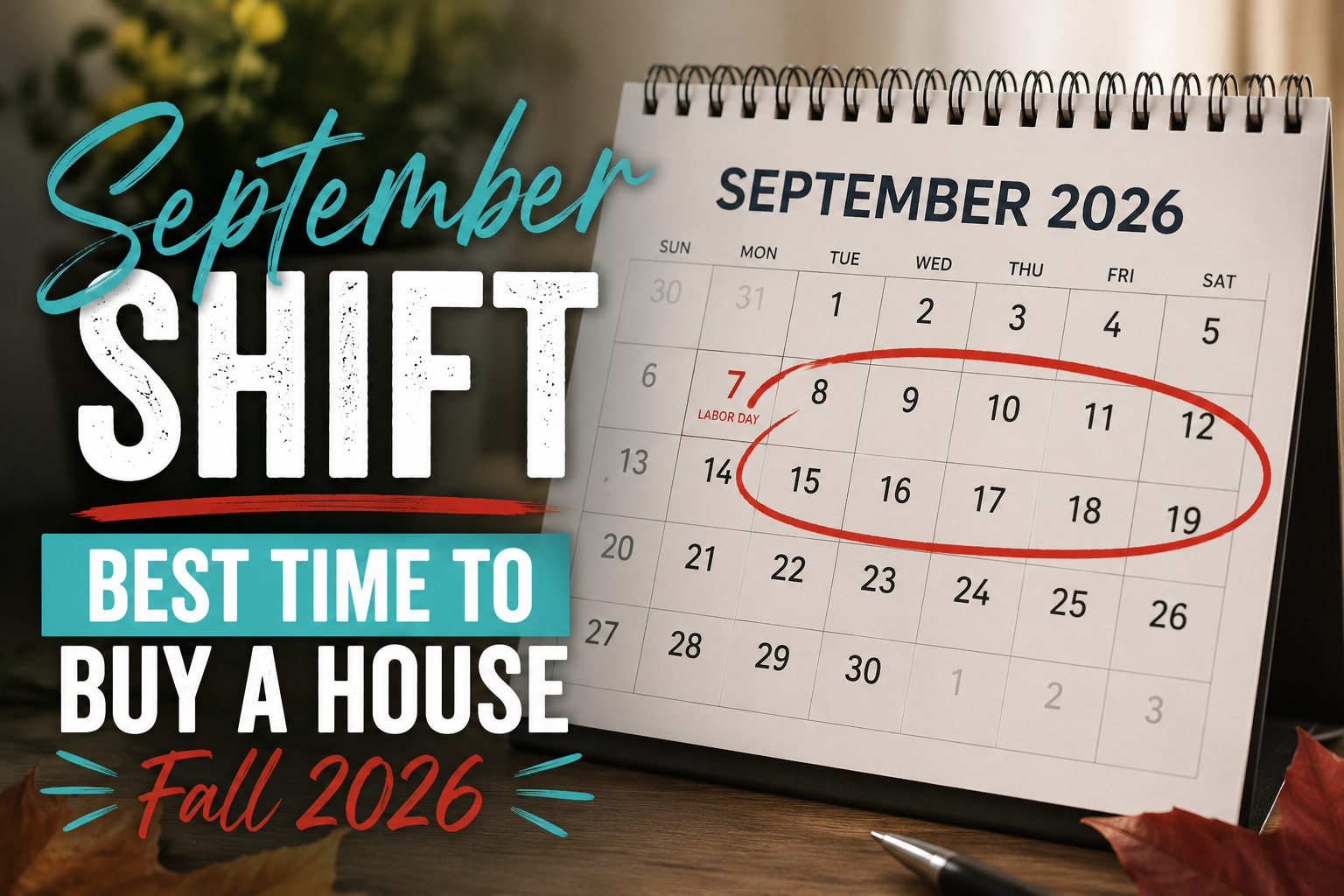
The September Shift: Why the Six Weeks After Labor Day Are the Best Time to Buy
If you've been holding off on buying a home because someone told you "the good inventory shows up in spring," pause before you commit to that plan — it could cost you tens of thousands of dollars.
Every year, buyers follow the same pattern: fight through spring's brutal multi-offer bidding wars, get exhausted, then pull back completely once September hits and wait for the weather to warm back up. What most of them miss is that the six to eight weeks right after Labor Day is actually the strongest buying window of the entire calendar year.
This is The September Shift — why fall sellers are the most motivated, flexible sellers you'll encounter all year, and how to use that window to secure real price flexibility, rate buydowns, and a home purchase without the spring chaos.
The Psychology of the Post-Labor Day Seller
To understand why fall works so well for buyers, look at the market through the eyes of a seller who listed back in May, June, or July.
Spring sellers list with high expectations — they overprice, turn down reasonable offers, and hold firm on concessions, believing they hold all the leverage. Then July hits: temperatures spike, families travel, buyer traffic drops off, and the home sits. Thirty days on market becomes sixty. Sixty becomes ninety.
By September, with kids back in school and the holidays approaching, a different thought sets in for that seller: if this doesn't sell in the next six weeks, I'm carrying the mortgage, taxes, and utilities through Thanksgiving, Christmas, and into the new year.
The arrogance from spring evaporates. What replaces it is genuine motivation — not to break a record, but to get a guaranteed exit. Writing an offer in September usually means negotiating one-on-one with a motivated seller, not competing against three other buyers at asking price.
Negotiating the Fall Buyer Package
Motivation like this opens the door to something bigger than a lower purchase price: a full Fall Buyer Package.
For a lot of buyers, the real challenge isn't the sticker price — it's the monthly payment under current interest rates. Instead of negotiating a straight $20,000 price cut, ask a motivated September seller for a seller-funded rate buydown. A $15,000 credit at closing, for example, can fund a 2-1 temporary buydown or a permanent rate reduction — dropping the monthly payment far more than an equivalent price cut would.
In spring, sellers laugh off requests like this. In September, with a closing deadline they actually want to hit before the holidays, they're far more likely to say yes — covering closing costs, funding a buydown, and fixing inspection items to lock in the sale.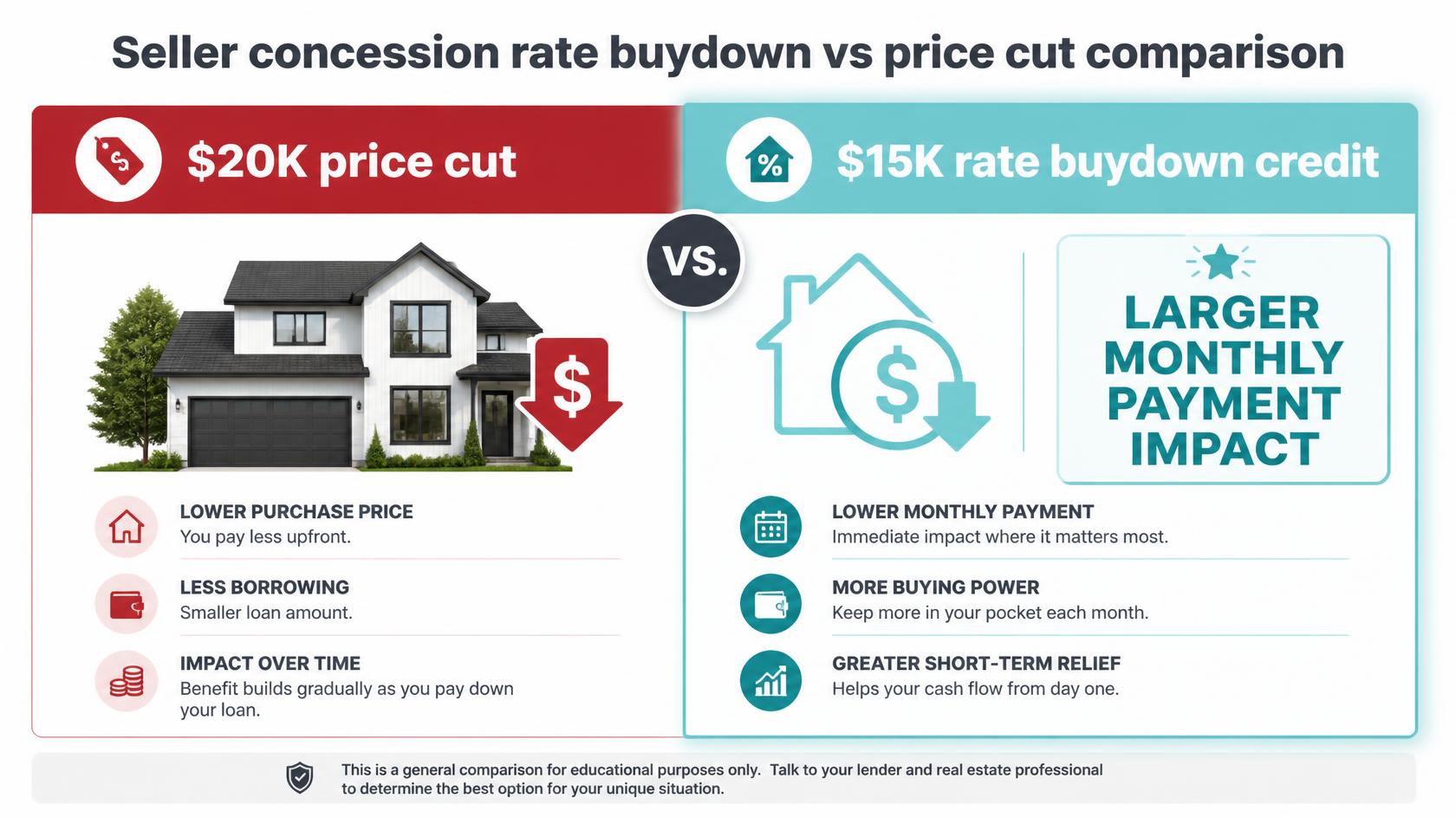
Less Competition, More Clarity
The second real advantage of a fall purchase is the environment itself.
Spring buyers are often forced into fast, high-pressure decisions — a packed open house, three competing offers already on the table, an appraisal or inspection waived just to stay competitive. That's exactly how buyers end up making costly mistakes.
By September, the crowd thins out. A home can be toured quietly, a second walkthrough scheduled at sunset to check neighborhood noise, and disclosures reviewed carefully over a few days instead of a few minutes. It becomes possible to run a calm, methodical search — using a framework like the 5-3-1 Non-Negotiables checklist and the 3-Home Rule — instead of reacting to artificial urgency created by a crowded market.
The Seasonal Inspection Advantage
Here's a detail most buyers never think about: touring and inspecting a home in late summer and early fall provides an unusually honest read on its actual condition.
By September, a home has just endured the toughest stretch of the year — sustained summer heat, maximum HVAC usage, and seasonal storms. An inspector stepping in during this window is testing an AC system that's been running at full capacity for months, checking window seals after intense thermal expansion, and reviewing soil lines that dried out through the summer.
If the home's systems held up through that stress test, that's a strong signal of durability. If they're on the edge of failure, a fall inspection tends to expose it clearly — giving real leverage to request a new system or a significant credit before closing.
Your September Buying Action Plan
- Re-engage the search. Filter specifically for homes that have been on the market 45+ days — that's the prime target list.
- Lock in financing. Get a full underwritten pre-approval so you present as a guaranteed, fast-closing buyer.
- Confirm your top 3 non-negotiables using the 5-3-1 framework before touring anything.
- Negotiate the payment, not just the price. Have your agent write offers that include strategic seller concessions for a rate buydown, not just a price reduction.
Frequently Asked Questions
Is fall really a better time to buy a house than spring? For many buyers, yes. Fall — particularly the six to eight weeks after Labor Day — tends to bring less competition, more motivated sellers, and stronger opportunities for concessions than the spring buying season.
Why are sellers more flexible in September? Sellers who listed in spring or early summer without a sale are facing the prospect of carrying mortgage, tax, and utility payments through the holidays, which tends to shift their focus from maximizing price to securing a guaranteed closing.
What should I ask a motivated seller for besides a lower price? A seller-funded interest rate buydown often reduces a buyer's monthly payment more than an equivalent price cut, since it directly lowers the interest rate rather than just the loan principal.
How long should a home be on the market before I consider it a target? Homes active for 45 days or longer are generally showing seller motivation and are worth prioritizing when house hunting in the fall window.
Does a fall home inspection reveal more than a spring one? Often, yes. By fall, a home's systems have just gone through peak summer stress (heavy AC use, thermal expansion, seasonal storms), which can expose weaknesses that wouldn't show up as clearly earlier in the year.
Ready to Make Your Move This Fall?
If you've been waiting for spring, the math may actually favor moving now. Book a strategy call and let's target the right listings before the season shifts back in the seller's favor.

Katie Evans is a REALTOR® with the Living 48 Real Estate Team at REAL Broker, known across the Valley as The Real Estate Boss Mom. She serves buyers and sellers throughout the East Valley — Mesa, Gilbert, Chandler, Queen Creek, Tempe, and Scottsdale — with data-driven, straight-talking guidance.

Katie Evans
Lead Agent | Katie Evans | Living 48 Real Estate Team
or another way