
Categories
Arizona BuyersPublished August 24, 2026
Real Cost of Living in Phoenix/East Valley: 2026 Budget


The Real Cost of Living in the Phoenix East Valley: A Line-by-Line 2026 Budget
If you're sitting at your kitchen table in California, New York, or Chicago Googling the cost of living in Phoenix right now — close those calculator tabs.
Those free, generic cost-of-living tools that tell you Phoenix is "10% cheaper than the national average" are working off outdated, aggregated national data. They completely miss the hyper-local costs hitting real East Valley families right now. People research the moving-to-Phoenix cost, look at average home prices and a generic utility index, pack the truck, and land here only to hit a financial reality check within their first 90 days.
There are real structural costs baked into Valley living — seasonal utility surges, localized tax assessments, insurance shifts — that can pull an extra $500 to $1,000 a month out of household cash flow if you don't see them coming. This is the honest, line-by-line version most calculators won't show you.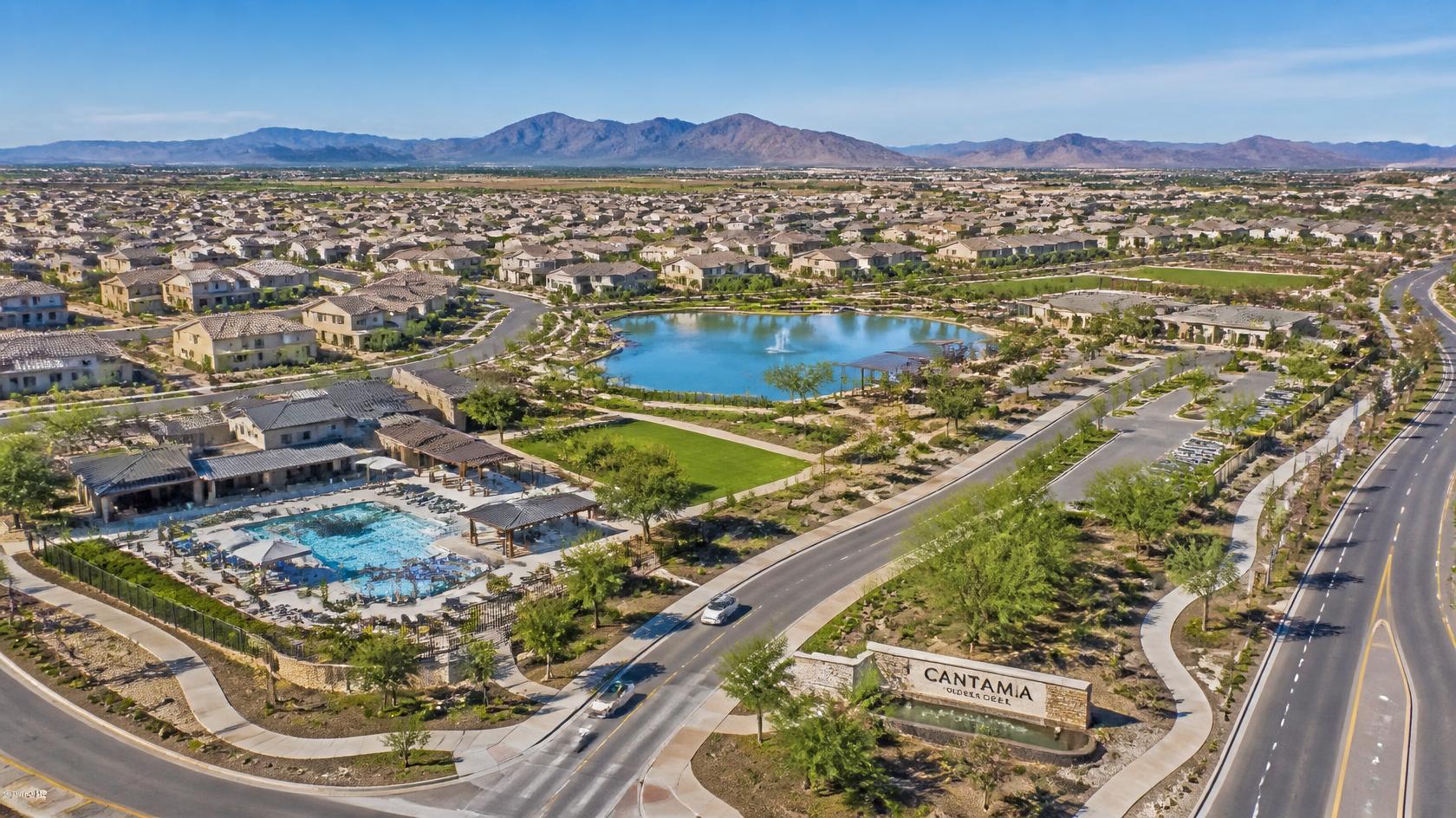
Housing: Renting vs. Buying in the Real World
Housing is the largest line item in any relocation budget, and the raw purchase price alone doesn't tell the full story.
If you rent while you get your bearings, a standard 3-bedroom, 2-bath single-family home in a desirable East Valley school district currently runs in the neighborhood of $2,200–$2,600 a month, depending on city — Mesa tends to run lower, Gilbert and Chandler higher.
If you're buying, the median sales price across the East Valley currently sits around $450,000. With a standard down payment, principal and interest aren't the whole monthly picture. Relocation buyers consistently forget to budget for HOA structures. In our master-planned communities, mandatory HOA dues can run anywhere from $50 to $300+ a month — not optional amenities, but legally binding costs tied to community infrastructure. Building an accurate housing budget means checking the specific subdivision, not just running a generic mortgage calculator.
The Seasonal Utility Surge
This is the single biggest shock for out-of-state buyers.
Generic calculators average utility costs over 12 months — but nobody pays an "average" bill. A typical East Valley electric bill can run $100–$150 in the spring, then climb to $200–$300+ during peak summer months (June through September) as the AC runs continuously through 100+ days of triple-digit heat. Larger homes can see bills push toward $400–$500 in the hottest stretch of August.
Water follows a similar pattern. Local soil and landscaping requirements mean maintaining a green yard takes a real irrigation commitment, especially through the summer.
The takeaway: build an uneven cash-flow model, not a flat monthly average. A relocation budget needs a cash reserve built in specifically for the high-demand summer months.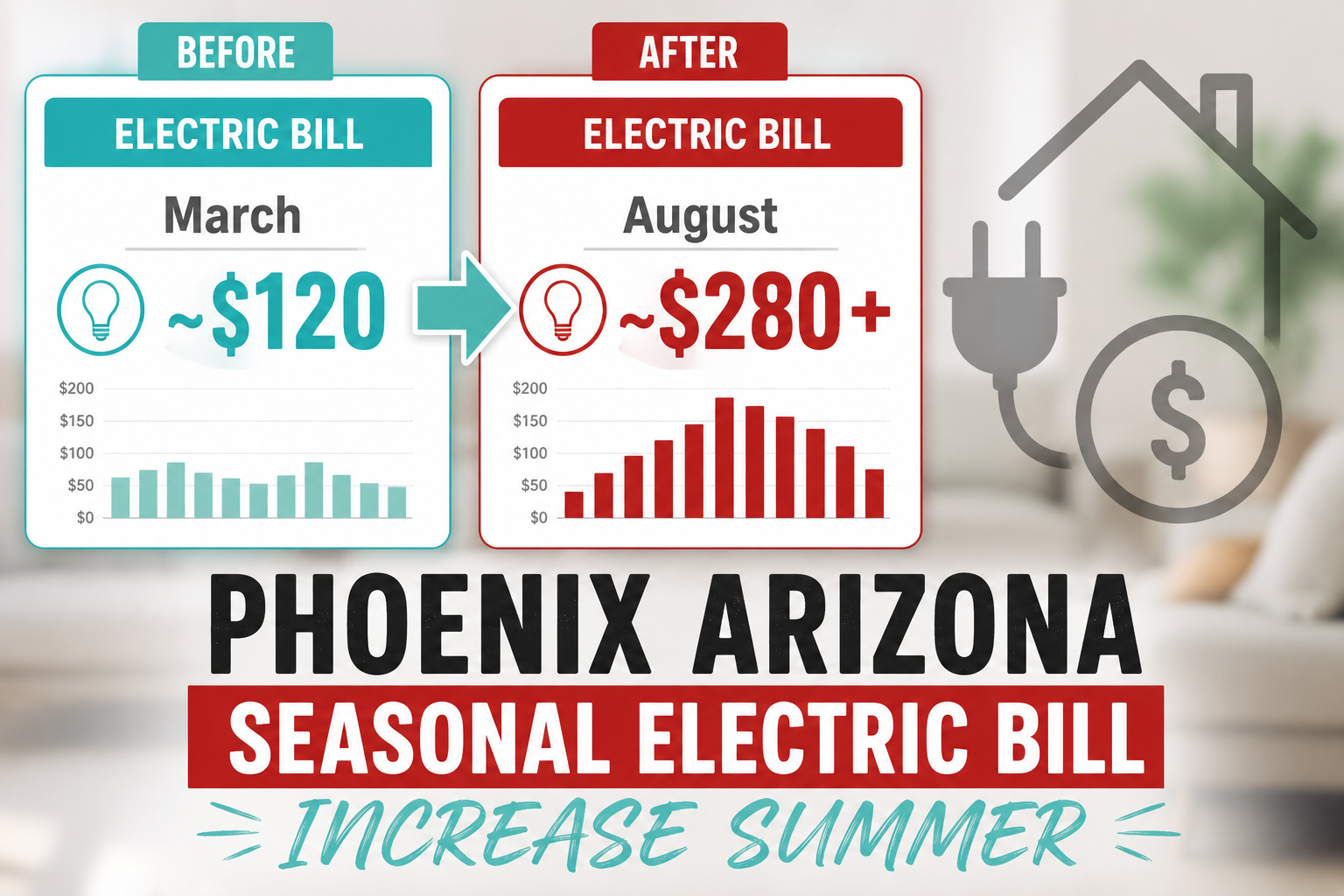
Taxes and Insurance: Where People Get Surprised
Maricopa County's effective property tax rate runs relatively low — roughly 0.4%–0.6% of assessed value for most parcels, meaning a median-priced East Valley home typically lands around $1,900–$2,500 a year in base property tax. That part is genuinely a bright spot compared to many other states.
Where relocation buyers get caught off guard is in newer, high-growth subdivisions: many of the East Valley's newest master-planned communities carry special bond assessments layered on top of the base rate to fund new roads, schools, and parks. These can meaningfully increase the effective rate on a specific parcel, so it's worth checking the actual tax code for a property rather than assuming a citywide average applies.
Homeowner's insurance has shifted significantly across Arizona in recent years. Statewide averages currently run in the $1,800–$2,600 a year range for a typical home, and pricing has moved up due to hail, high wind, and monsoon-related risk. This needs to be built directly into escrow calculations from day one, not treated as an afterthought.
The Daily Grind Premium
This is the everyday money that leaves your wallet in smaller pieces.
Coming from a dense urban area, Phoenix gas prices and sales tax might look like a bargain at first glance. What's easy to miss is geography: the Valley is spread out, public transit is limited for daily life, and vehicle usage typically increases significantly after relocating here — more miles to the grocery store, to school drop-off, to work. More miles driven means more gas, faster tire wear, and quicker vehicle depreciation.
The East Valley's rapid growth has also pushed dining, entertainment, and home-service pricing (lawn care, cleaning) toward a metro-tier price point rather than a small-town one. Budget accordingly if that's part of the household lifestyle.
The Full Monthly Budget Sheet
Here's what a real-world monthly budget looks like for a family of four in a median-priced East Valley home:
| Line Item | Estimated Monthly Cost |
|---|---|
| Mortgage (PITI + HOA) | ~$3,000–$3,200 |
| Electricity & Gas (averaged) | ~$200–$250 |
| Water & Trash | ~$100–$130 |
| Vehicle Fuel & Maintenance (2 cars) | ~$350–$400 |
| Groceries & Household Goods | ~$900–$1,000 |
| Local Health & Service Premiums | ~$200–$250 |
| Dining & Local Entertainment | ~$400–$500 |
That puts a realistic baseline monthly cost of comfort somewhere around $5,200–$5,700 after taxes for a median-priced home — before accounting for the summer utility spike.
This isn't meant to scare anyone away. The East Valley is a genuinely great place to build a life and real estate wealth. But moving here with real numbers instead of a generic national average is what lets a family build that wealth confidently instead of feeling stressed in month one.
Frequently Asked Questions
Is Phoenix/East Valley cheaper than a coastal city? Generally yes on raw housing price, but total cost of living narrows once seasonal utility spikes, HOA dues, insurance, and increased vehicle usage are factored in. A full line-item budget gives a more accurate picture than a generic calculator.
How much do electric bills really increase in Phoenix summers? A typical East Valley home can see electric bills rise from roughly $100–$150 in spring to $200–$300+ during peak summer months (June–September), with larger homes running higher.
Are property taxes high in the East Valley? No — Maricopa County's effective rate is relatively low, typically 0.4%–0.6% of assessed value. Newer master-planned communities may carry additional special bond assessments worth checking parcel-by-parcel.
Why is homeowners insurance more expensive in Arizona now? Statewide premiums have risen due to increased hail, wind, and monsoon-related claims. Current averages run roughly $1,800–$2,600 a year for a typical home.
Does moving to the East Valley mean higher transportation costs? Often, yes. Limited public transit and the Valley's spread-out geography typically mean more miles driven monthly than in a denser city, which increases fuel and maintenance costs.
Planning a Move to the East Valley?
Every neighborhood, HOA, and tax district is different. Book a quick, zero-pressure relocation strategy call and my team will help you find the right area, decode the local tax and HOA structure, and locate a property that actually fits your real budget.
If you're actively weighing whether now is the right time to make the move, our recent breakdown on whether it's a good time to buy in Phoenix is a useful next read.
Katie Evans is a REALTOR® with the Living 48 Real Estate Team at REAL Broker, known across the Valley as The Real Estate Boss Mom. She serves buyers and sellers throughout the East Valley — Mesa, Gilbert, Chandler, Queen Creek, Tempe, and Scottsdale — with data-driven, straight-talking guidance.

Katie Evans
Lead Agent | Katie Evans | Living 48 Real Estate Team
or another way