
Published September 2, 2024
Home Buying with Pets in Mind: Creating a Pet-Friendly Space for Your Furry Friends

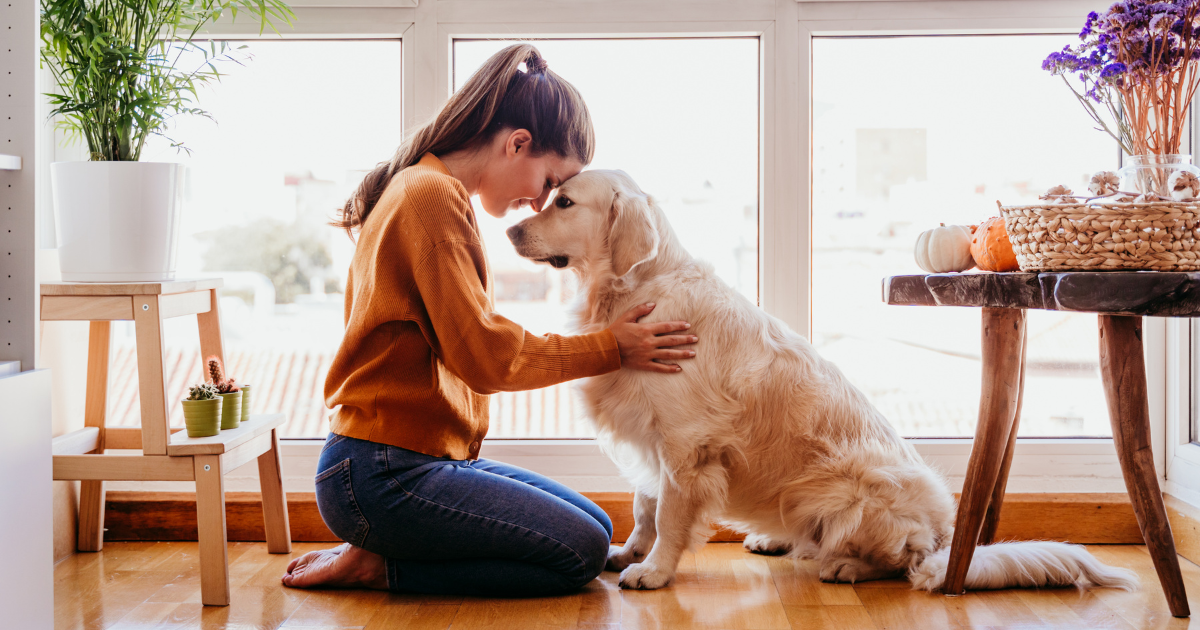
Purchasing a new home is a significant milestone, and if you're a pet owner, your furry friends are a vital part of that journey. Ensuring that your new abode is as welcoming and safe for them as it is for you is essential. Here’s a guide to help you navigate the process of buying and setting up a pet-friendly home.
What to Look for in a Pet-Friendly Home
1. Pet-Friendly Neighborhood
When house hunting, consider the neighborhood's pet-friendliness. Look for:
Proximity to parks: Easy access to dog parks or green spaces where pets can play.
Pet services: Nearby veterinary clinics, pet supply stores, and groomers.
Pet-friendly community: Neighbors with pets can indicate a pet-tolerant area.
2. Outdoor Space
A fenced-in yard is a dream for many pet owners. Ensure the fence is tall enough to prevent escapes and check for any gaps. For those with cats, consider if the yard is suitable for a catio (an enclosed outdoor space for cats).
3. Interior Layout
Certain home layouts are more pet-friendly:
Open floor plans: They provide more room for pets to move around.
Easy-to-clean flooring: Hardwood, tile, or laminate flooring is preferable over carpets which can trap pet hair and odors.
Staircases: If you have older pets, single-story homes or homes with minimal stairs are ideal.
4. Pet-Safe Landscaping
Check for toxic plants and ensure the garden is safe for pets. Some common plants like lilies and azaleas are toxic to cats and dogs.
Designing Safe and Comfortable Spaces for Pets
1. Designated Pet Areas
Create designated spaces for your pets to relax, eat, and sleep. A cozy corner with their bed and toys can make them feel secure.
2. Built-In Feeding Stations
Consider built-in feeding stations in the kitchen or mudroom. These stations keep food and water bowls in one place, reducing spills and mess.
3. Pet-Friendly Furniture
Opt for furniture with durable, easy-to-clean fabrics. Leather and microfiber are good choices as they are more resistant to scratches and stains.
4. Window Perches and Cat Trees
Cats love to climb and observe. Install window perches and cat trees to give them vertical space to explore and rest.
5. Climate Control
Ensure the home is well-ventilated and can maintain a comfortable temperature for your pets, especially if you live in an area with extreme weather.
Essential Pet-Proofing Ideas
1. Secure Hazardous Areas
Keep pets out of rooms that contain hazards, like the garage or basement, by using baby gates or pet barriers. Store chemicals and small objects out of reach.
2. Cords and Wires
Pets, especially puppies and kittens, love to chew on cords and wires. Use cord protectors or hide wires behind furniture to prevent accidents.
3. Trash and Food Safety
Pets can be attracted to trash and certain human foods that are harmful to them. Use pet-proof trash cans and store food in cabinets or containers out of their reach.
4. Cleaning Supplies
Store cleaning supplies in locked cabinets. Many common household cleaners are toxic to pets if ingested.
5. Furniture Protection
Use pet-friendly covers on sofas and chairs to protect them from fur and scratches. Regular grooming can also help reduce shedding.
6. Pet Doors and Gates
If you install a pet door, ensure it’s secure and only accessible to your pet. Baby gates can help keep pets out of certain rooms.
Conclusion
Finding and designing a pet-friendly home requires a bit of extra thought, but it's well worth the effort to ensure your furry friends are safe and happy. By considering the neighborhood, yard, interior layout, and pet-proofing your home, you can create a sanctuary where both you and your pets thrive. Remember, a pet-friendly home isn’t just about safety and practicality – it’s about making a comfortable, welcoming space for all members of your family, including the four-legged ones. Happy house hunting!