Categories
Arizona Home Owners, Preparing Your House for Sale, Real Estate SellersPublished August 31, 2026
7 Home Maintenance Blindspots That Quietly Drain Your Equity

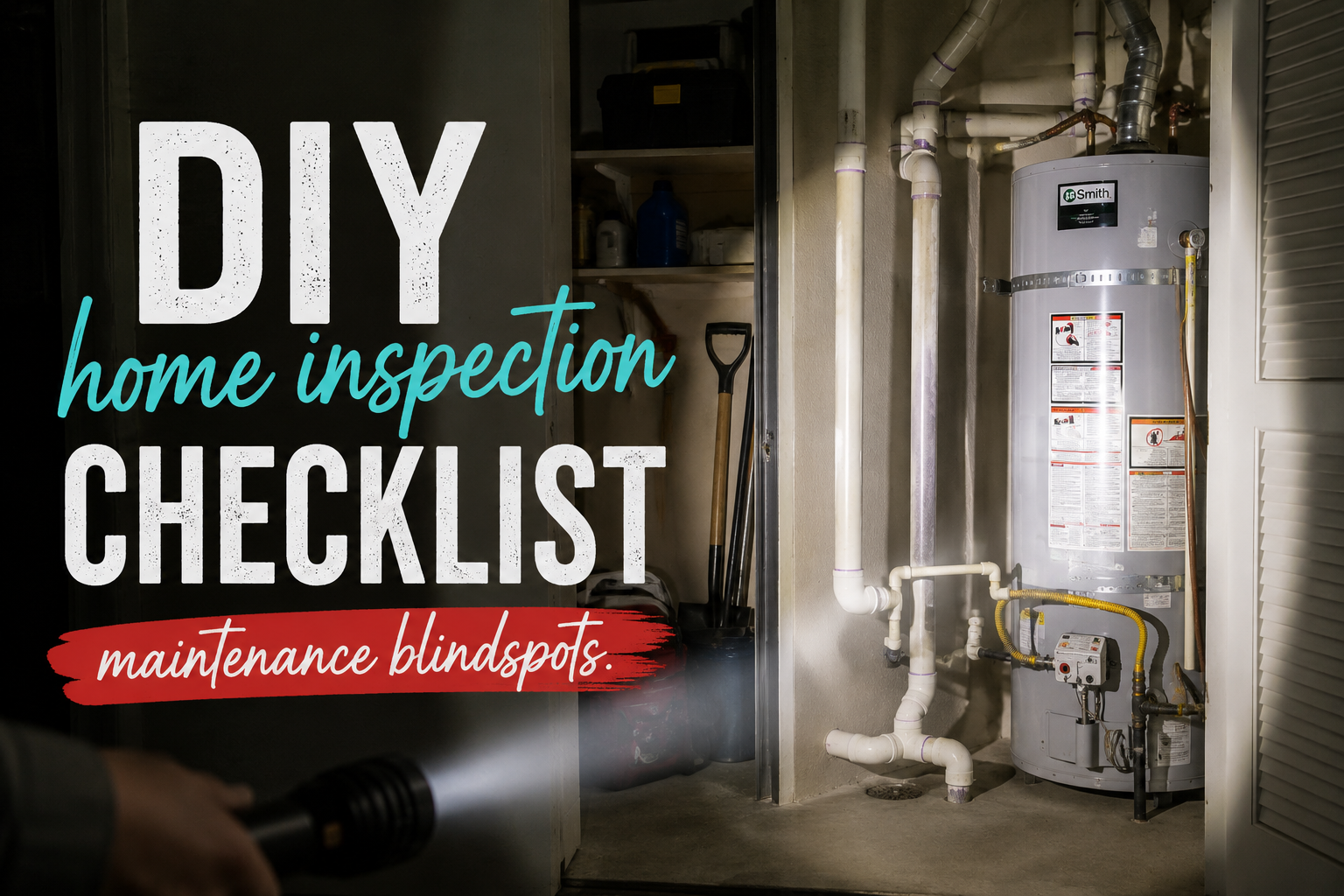
7 Hidden Home Maintenance Blindspots That Are Quietly Draining Your Equity
A rusted pressure valve. A clogged section of PVC pipe. Both are probably sitting somewhere in your house right now — and both have the potential to cause $10,000 or more in sudden, catastrophic damage if they go unchecked for even 30 more days.
When people talk about how to increase home equity, the conversation almost always goes straight to paint, flooring, and countertops. What rarely gets mentioned is the invisible side of homeownership: the maintenance blindspots that quietly erode your equity from the inside out, long before anything looks visibly wrong.
By the time a maintenance issue becomes obvious — a water stain on the ceiling, a crack across the tile — the damage has already happened, and equity has already been lost.
This is a full DIY home inspection checklist covering 7 specific blindspots, most of which can be checked in a single weekend for under $20 total.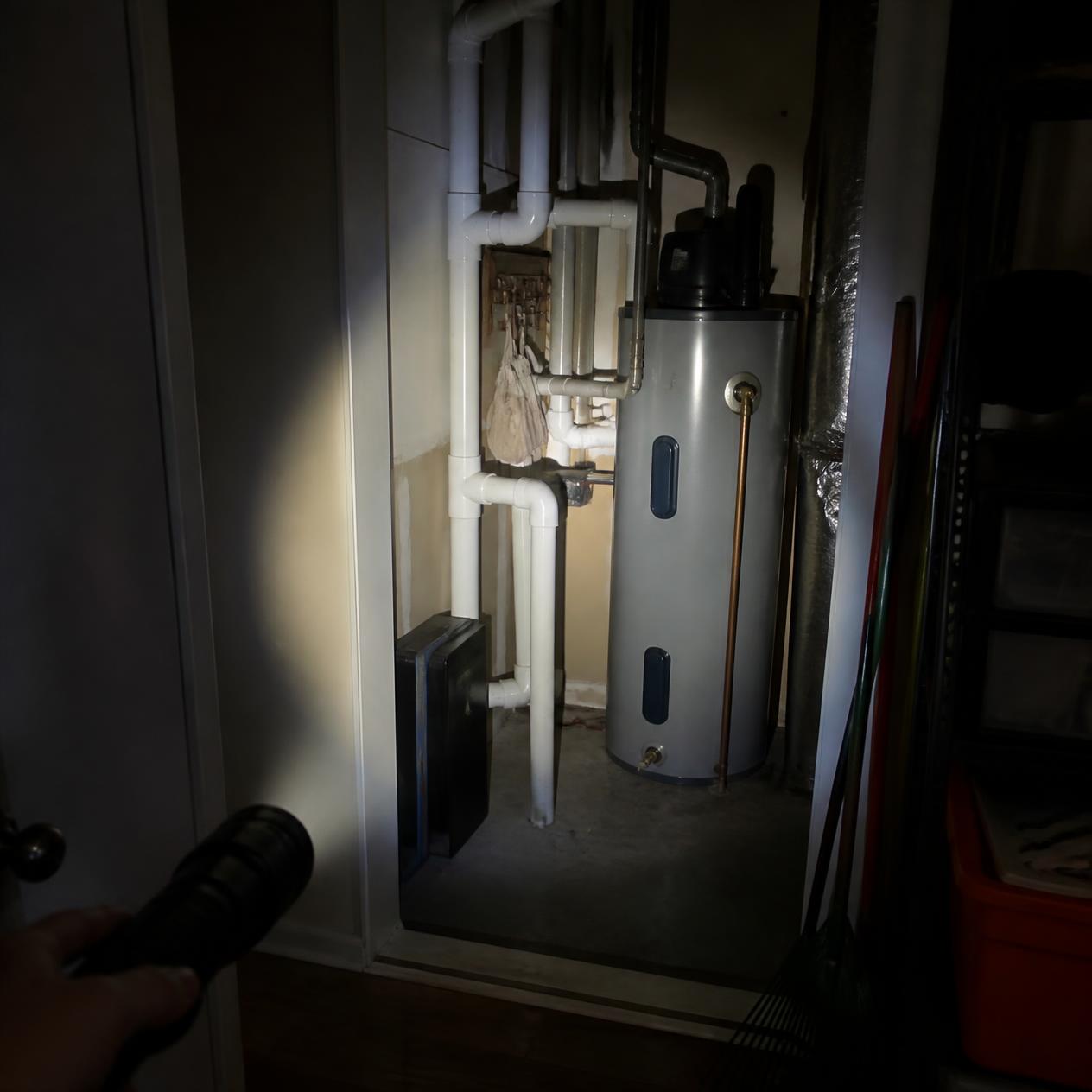
Blindspot 1: The Water Heater's T&P Valve
Every traditional tank water heater is a sealed pressure vessel heating water to intense temperatures. If the internal thermostat fails, the tank can become dangerously over-pressurized — and the small silver Temperature and Pressure Relief (T&P) valve near the top of the tank is the only thing standing in the way.
How to check it: Locate the valve and its drain pipe. Once a year, pull up on the lever. A sharp hiss of water should escape, and the valve should snap shut cleanly with no dripping when released. If nothing happens, or it drips continuously afterward, the valve is corroded shut and no longer functional.
Cost to fix: About $15 and 20 minutes at the hardware store.
Blindspot 2: The AC Condensate Drain Line
This is one of the most common causes of interior flooding, especially during peak cooling months. As your AC pulls humidity from indoor air, condensation drips into a collection pan and exits through a white PVC drain line. Because that water sits warm and stagnant, the inside of the pipe becomes a breeding ground for algae and slime — until it's completely blocked.
Once blocked, water backs up over the collection pan. If the unit sits in an attic or upstairs closet, that water quietly floods ceiling joists, ruins insulation, and destroys drywall before it ever becomes visible in the living room below.
How to check/clear it: Find the exterior end of the PVC line outside the house. Hook up a wet/dry shop vac, seal it tightly with a rag, and run it for two minutes to pull out the buildup.
Frequency: Every 6 months. This alone can prevent a $5,000+ drywall repair.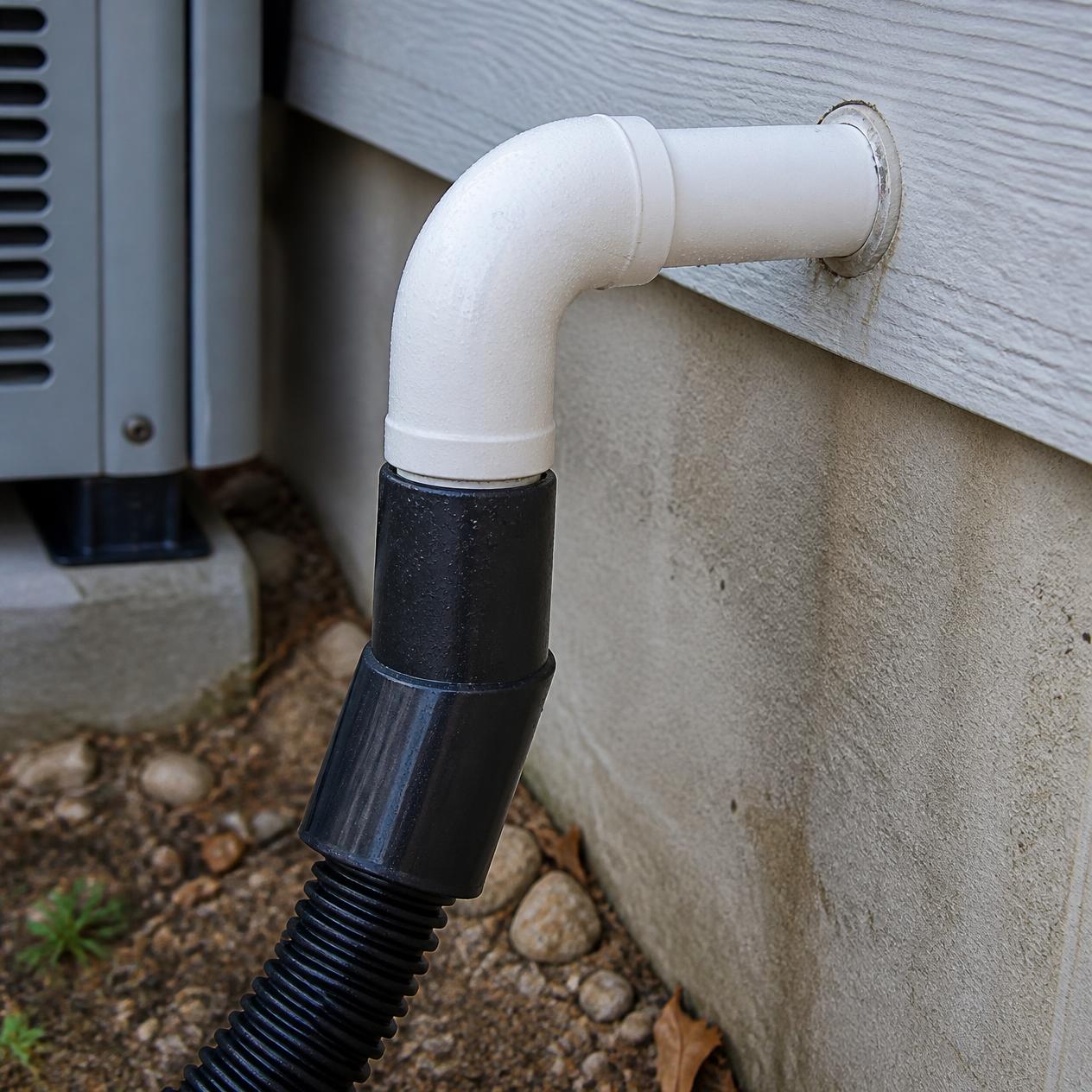
Blindspot 3: Exterior Sealant and Caulk Failure
The most vulnerable points on any home's exterior aren't the walls themselves — they're the transitions, where window frames, door frames, and utility penetrations meet the siding or stucco. These gaps rely on flexible exterior caulk to stay sealed.
UV exposure and temperature swings dry that caulk out over time, causing it to crack, shrink, and open up. Once a gap forms, water gets behind the siding with every rainfall, soaking into the wall cavity with no airflow to dry it out — quietly rotting framing and growing mold with zero visible warning from the outside.
How to check it: Walk the full exterior perimeter and inspect every window sill and door frame for cracking or gaps.
How to fix it: Scrape out old, brittle sealant and apply a fresh bead of premium exterior silicone or polyurethane caulk — about $8 a tube.
Blindspot 4: Foundation Stress and Soil Hydration
Concrete foundations respond continuously to the soil around them. In areas with expansive clay soil, heavy saturation causes soil to swell and push against the foundation; drought conditions cause it to shrink and pull away. When one side of a home gets more moisture than the other — from shade, landscaping, or sun exposure — the resulting differential settlement can crack and sag a section of the slab.
How to check it: Walk the foundation stem wall and look for a deep gap — an inch or more — where soil has visibly pulled away from the concrete.
The fix: The goal isn't to keep soil saturated — it's consistency. Maintain a uniform moisture level around the entire perimeter of the foundation year-round rather than letting one side dry out while another stays wet.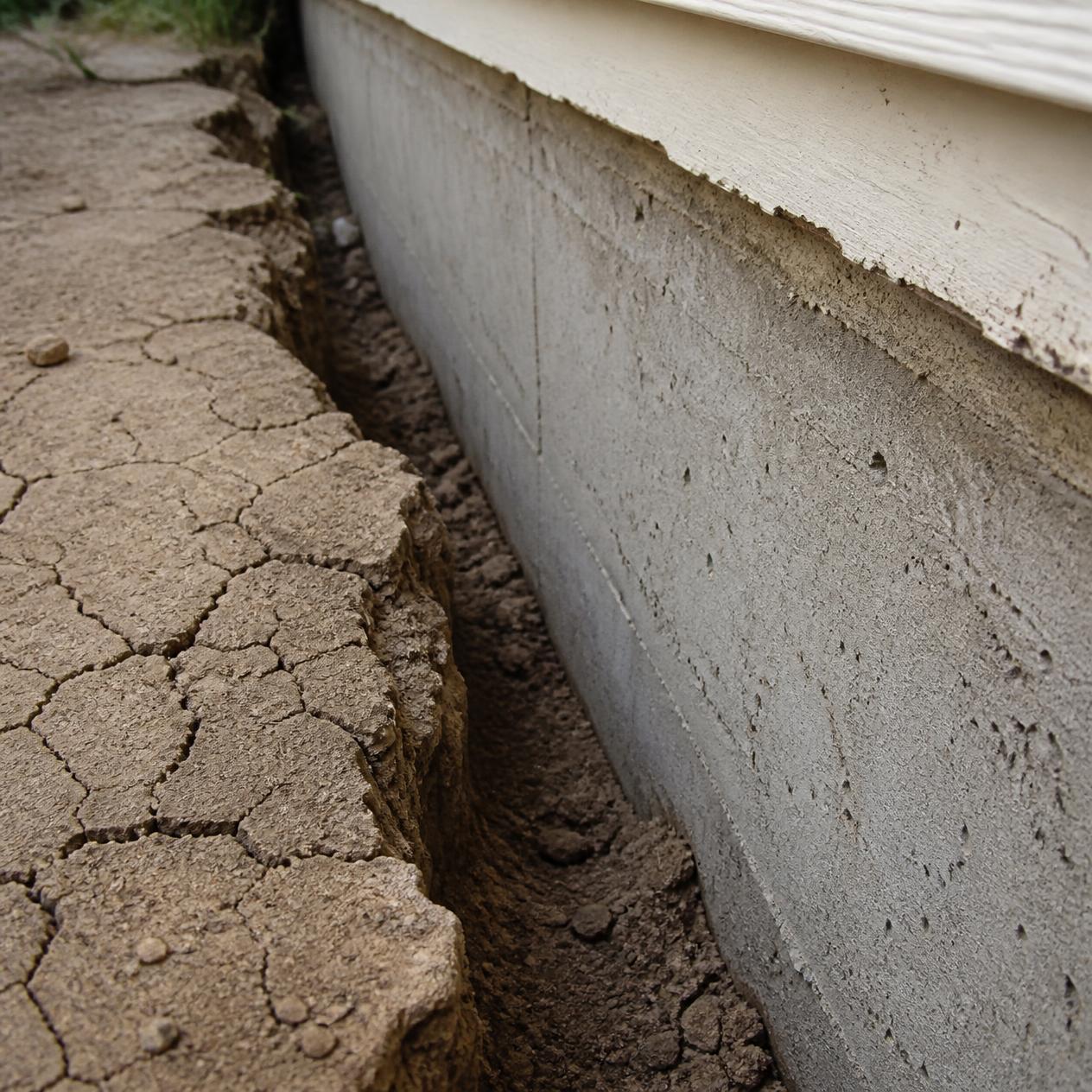
Blindspot 5: Dryer Vent Duct Restriction
Small clothing fibers bypass the interior lint screen and collect inside the flexible exhaust duct with every laundry cycle. Over a year, that buildup narrows the exhaust pathway, forcing the dryer to work harder — and creating a genuine fire risk, since packed lint sits directly next to a high-heat element. Restricted dryer vents are a leading cause of residential structural fires nationally.
How to check/clear it: Pull the dryer away from the wall, detach the exhaust duct, and run a flexible dryer vent brush (about $10, attaches to a power drill) through the line out to the exterior wall cap.
Bonus benefit: Clearing it typically lowers energy use and extends the dryer's lifespan immediately.
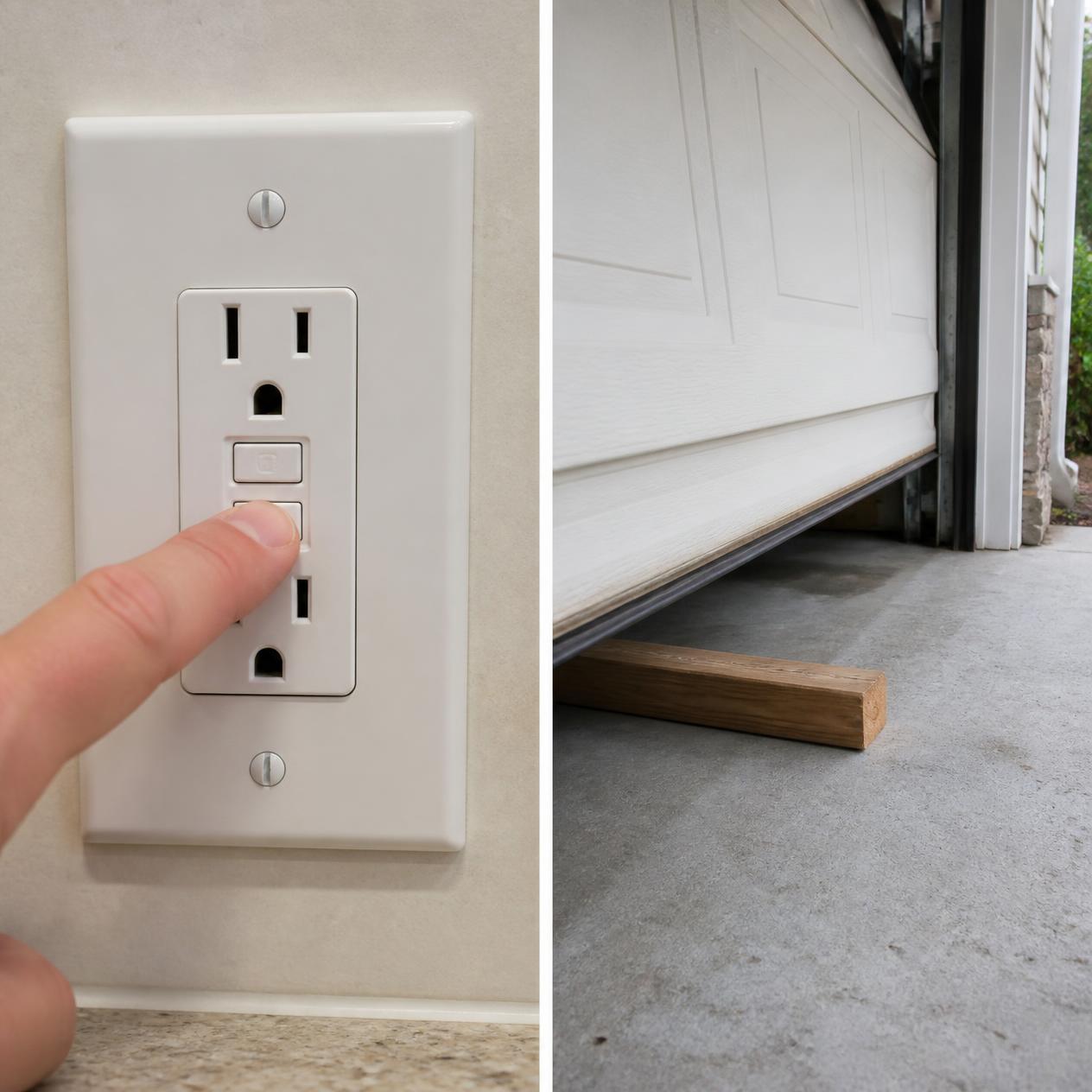
Blindspots 6 & 7: GFCI Outlets and Garage Door Safety Reversal
The final two items are life-safety systems, not just maintenance items.
GFCI outlets (the ones with "Test" and "Reset" buttons in kitchens, bathrooms, and garages) are designed to cut power instantly if they detect current escaping toward water or a person. Internal circuitry can degrade over time from moisture or power surges.
How to check it: Press "Test" on every GFCI outlet at least once a year and confirm it actually cuts power. If it won't trip, it's no longer protecting anyone and needs replacement.
Garage door safety reversal prevents the door from crushing a pet, child, or vehicle if something is in its path.
How to check it: Place a solid 2x4 flat on the ground in the door's path and close it. It should stop and reverse within one second of contact. If it keeps pressing down instead, the motor's force/limit settings need immediate recalibration.
The Real Takeaway
Real estate wealth isn't only about buying at the right time — it's about consistently protecting the structural integrity of the asset, so a maintenance issue never turns into an emergency contractor bill that wipes out months of appreciation.
Frequently Asked Questions
How often should I test my water heater's T&P valve? At least once a year. If the valve doesn't hiss and release water when lifted, or continues to drip after release, it's corroded and needs replacing — typically a $15 fix.
How do I know if my AC drain line is clogged? Standing water near the indoor air handler, or water stains on a ceiling below an attic-mounted unit, are common signs. Clearing the line every 6 months with a wet/dry shop vac helps prevent buildup before it causes damage.
What causes cracks near my home's foundation? Uneven soil moisture is a common cause — one side of the foundation drying out while another stays saturated creates differential settlement. Consistent, even watering around the entire perimeter helps prevent this.
How often should I clean my dryer vent? At least once a year. Restricted dryer vents increase energy costs and are a leading cause of residential structural fires, making this one of the highest-priority items on any home maintenance checklist.
Do GFCI outlets wear out over time? Yes. Internal circuitry can degrade due to moisture or power surges. Testing every outlet annually with the built-in "Test" button confirms they're still functioning correctly.
Want Help Protecting Your Home's Equity Long-Term?
Homeownership doesn't stop mattering after closing day. If you want a team that helps track your equity, plan major property transitions, or find a genuinely well-built property for your next move, book a quick, zero-pressure strategy call.

Katie Evans is a REALTOR® with the Living 48 Real Estate Team at REAL Broker, known across the Valley as The Real Estate Boss Mom. She serves buyers and sellers throughout the East Valley — Mesa, Gilbert, Chandler, Queen Creek, Tempe, and Scottsdale — with data-driven, straight-talking guidance.

Katie Evans
Lead Agent | Katie Evans | Living 48 Real Estate Team
or another way